Raised Beds or In-Ground Rows? A Calm Checklist of Common Mistakes and Simple Fixes
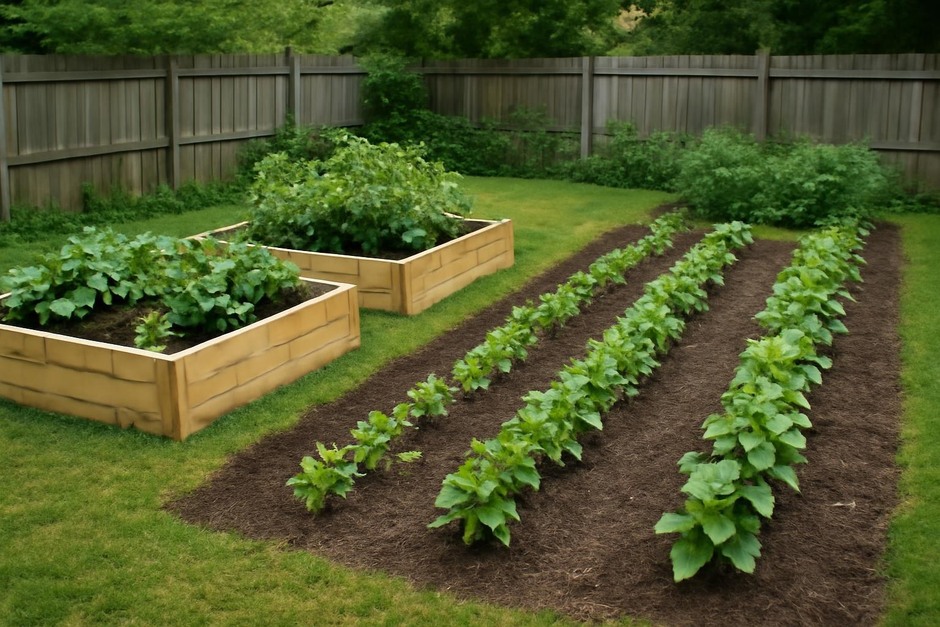
Gardeners often choose between raised beds and planting directly in the ground. Each approach has strengths, and each brings recurring mistakes that slow success. This article compares the two methods and offers a calm checklist of common errors plus simple corrections. Finish with clear guidance to help you pick the right method for your plot, time, and goals.
Two approaches at a glance
Raised beds are framed planting areas that lift the soil surface, improve drainage, and concentrate soil amendments. In-ground rows use the native soil with trenches or beds prepared at ground level. Both can produce abundant vegetables, herbs, and flowers when matched to site conditions and care routines.
Raised beds: common mistakes and fixes
- Mistake: Building beds too small or too high for comfortable access.
- Fix: Aim for a width of 90–120 cm (3–4 ft) so you can reach the center from either side. Keep height to 15–45 cm (6–18 in) unless mobility needs require higher beds.
- Mistake: Using poor-quality fill or a mismatched mix that compacts or drains badly.
- Fix: Layer good topsoil with compost and avoid dense subsoil. A simple mix is one part compost, two parts good topsoil, and one part coarse material (sand or grit) if drainage is slow.
- Mistake: Not allowing for root depth of chosen crops.
- Fix: Deep-rooted crops like tomatoes and carrots need 30–45 cm (12–18 in). For shallow-frame beds, grow salad greens, herbs, or strawberries instead.
- Mistake: Neglecting irrigation and mulching.
- Fix: Install a simple drip line or soaker hose and use organic mulch to conserve moisture and reduce weeds.
- Mistake: Choosing treated timber or materials that may leach chemicals.
- Fix: Use naturally rot-resistant woods (like cedar), recycled bricks, or metal, or line timbers with heavy-duty landscape fabric to protect soil.
In-ground rows: common mistakes and fixes
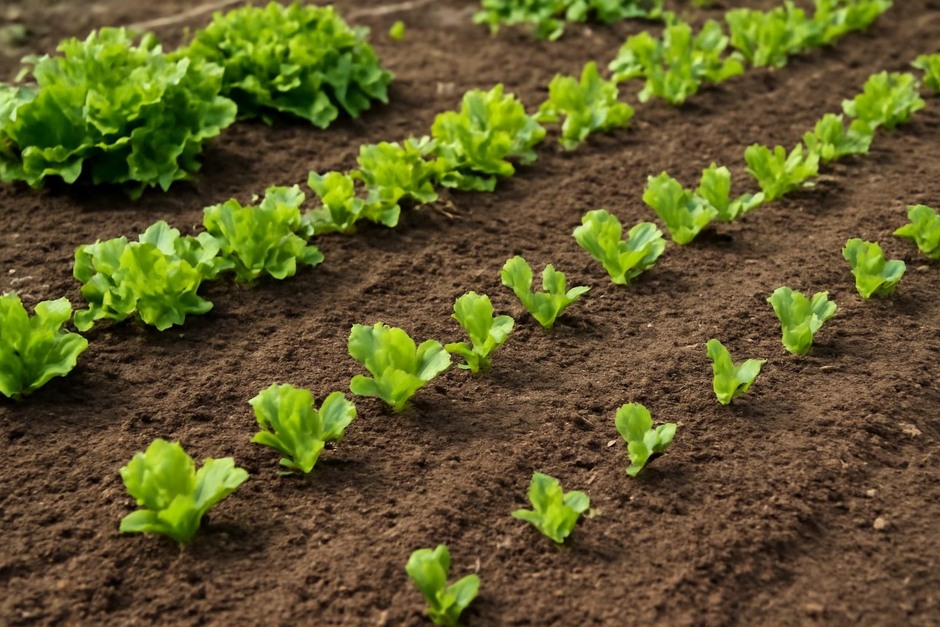
- Mistake: Failing to assess or improve native soil before planting.
- Fix: Take a soil test or at least observe texture and drainage. Incorporate compost and organic matter in advance to build structure and fertility.
- Mistake: Compaction from walking on beds or heavy tools.
- Fix: Use permanent paths and only step on them. Mark bed edges and avoid working soil when it’s wet.
- Mistake: Poor drainage leading to waterlogged roots in heavy soils.
- Fix: Create beds with slightly raised rows, incorporate coarse sand or grit, and plant on mounds for crops that dislike wet feet.
- Mistake: Underestimating weed pressure.
- Fix: Apply a generous layer of composted mulch, use cover crops between seasons, and remove deep-rooted weeds before planting.
- Mistake: Planting too densely without considering microclimate.
- Fix: Follow spacing recommendations and arrange taller plants to avoid shading sun-loving crops. Dense plantings need more careful disease monitoring.
How to choose between raised beds and in-ground rows
Use this checklist to match the method to your garden’s realities and your lifestyle. Tick the items that apply and let the most boxes checked guide your choice.
- Soil quality:
- If native soil is poor, rocky, or contaminated, raised beds make it easier to control what you plant into.
- If you have deep, fertile loam and are willing to amend gradually, in-ground rows are low-cost and ecosystem-friendly.
- Drainage and slope:
- On a site with standing water or heavy clay, raised beds improve drainage quickly.
- On gentle slopes, in-ground terraces or rows keyed into the contour can manage water well.
- Access and mobility:
- If bending is difficult or you prefer tidy paths, choose raised beds at an accessible height.
- If you have space to kneel and prefer wide expanses for larger crops, in-ground rows work well.
- Budget and materials:
- Raised beds require timber, stone, or other frames and fresh soil; they cost more up front but save time on weeding.
- In-ground planting costs less initially but demands ongoing soil-building and weed control.
- Long-term plans:
- Raised beds are ideal for intensive, high-yield plantings and seasonal kitchen gardens.
- In-ground is preferable if you aim to rehabilitate a larger area into permanent beds or meadow-like plantings.
In practice, many gardens use both: raised beds for herbs, salads, and concentrated vegetable plots, and in-ground rows for larger crops or perennial vegetables. Choose the approach that aligns with your soil, site, and how you want to work. Then use the checklists above to avoid the most common mistakes and keep adjustments simple and steady.
Gardening is an ongoing conversation with the land. A calm selection, modest corrections, and small experiments will bring clarity faster than a drastic overhaul. Start with one bed or a short row, observe for a season, and expand with the lessons you gather.